
On September 20, 2026, CCTV-4's program "Dream Chasers of the Times" aired an exclusive interview with Academician Chen Hesheng of the Chinese Academy of Sciences, highlighting the clinical progress achieved in the field of boron neutron capture therapy (BNCT) through China's spallation neutron source technology.
Academician Chen Hesheng is one of China's top particle physicists. He graduated from the Department of Technical Physics at Peking University in 1970, majoring in nuclear physics, and received his Ph.D. in physics from the Massachusetts Institute of Technology in 1984. He has served as Director of the Institute of High Energy Physics of the Chinese Academy of Sciences, Chairman of the Chinese High Energy Physics Society, Vice Chairman of the Chinese Physical Society, and Chairman of the Asian Committee for Future Accelerators. He was elected as an Academician of the Chinese Academy of Sciences in 2005. He currently serves as Director of the National Laboratory of the Beijing Electron-Positron Collider, Commander-in-Chief and Project Manager of the China Spallation Neutron Source Project Command of the National "Twelfth Five-Year Plan" Major Science Project, and Chairman of the Academic Committee of the State Key Laboratory of Nuclear Electronics and Nuclear Detection Technology.
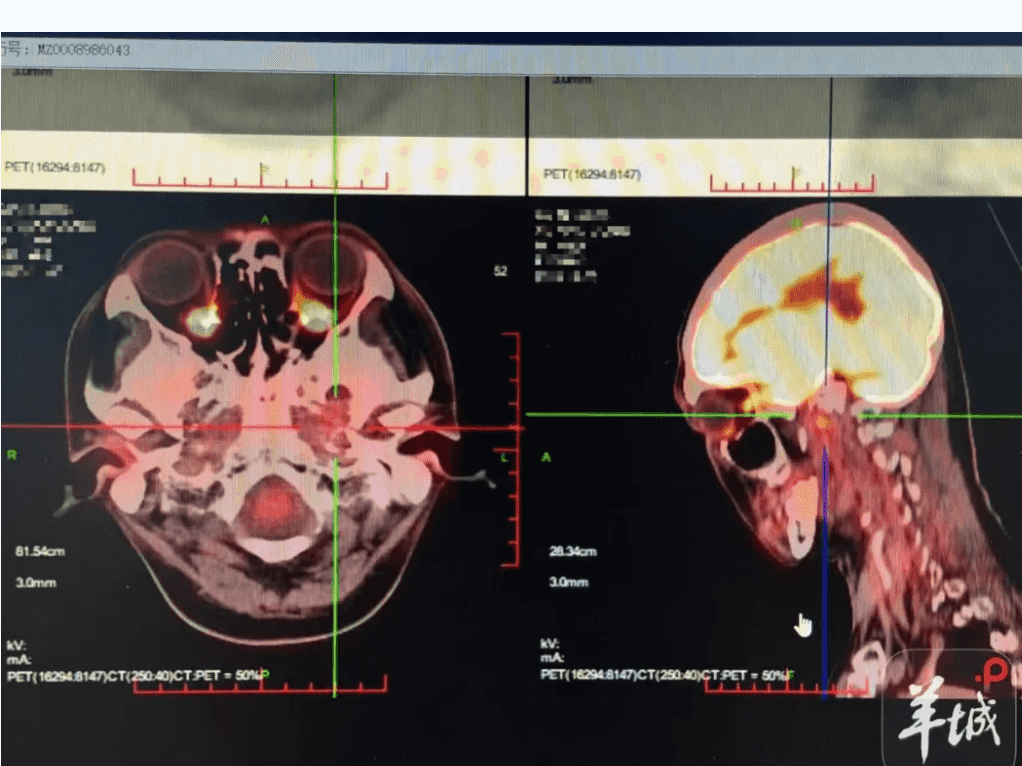
In the program, he disclosed that the first patient with head and neck nasopharyngeal carcinoma received treatment in August 2025, and a follow-up examination in April 2026 showed complete radiological disappearance of the tumor, with the patient having returned to a normal life. To date, Phase I clinical trials have successfully completed treatment of 21 subjects, and the therapy has achieved positive results in both safety and efficacy, laying a solid foundation for the advancement of subsequent clinical research and global filing efforts. Phase II clinical trials are about to begin.
The release of this clinical data marks a key step forward for China's BNCT technology from basic research to clinical application. BNCT is an integrated therapy requiring the coordinated use of equipment and drugs, necessitating the combined application of a neutron irradiation device and boron-carrying drugs. Anhui Puli Pharmaceutical Co., Ltd., as a domestic supplier of boron drug APIs for BNCT, is providing underlying raw material support for the aforementioned clinical project with high-purity, high-abundance, and quality-controllable BPA APIs.
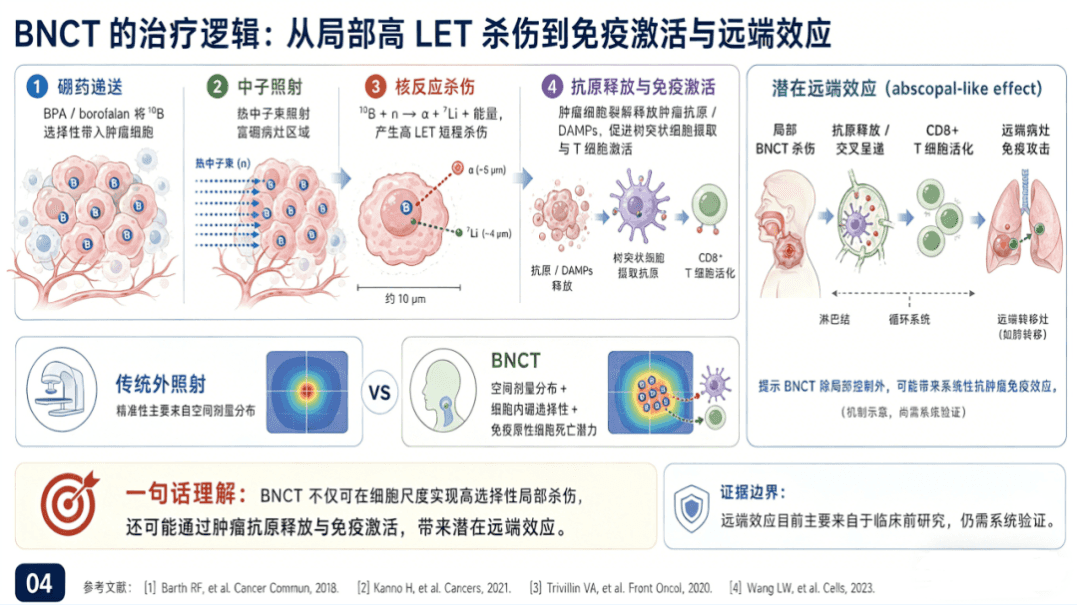
BNCT is a binary precision radiotherapy technology, and its clinical efficacy depends on the targeted enrichment efficiency of boron drugs within tumor cells, as well as the precise action of killer particles released from the nuclear reaction of the boron-10 isotope upon neutron irradiation on tumor cells. The isotope abundance and chemical purity of the API directly affect the targeted enrichment effect and the risk of radiation damage to normal tissues.
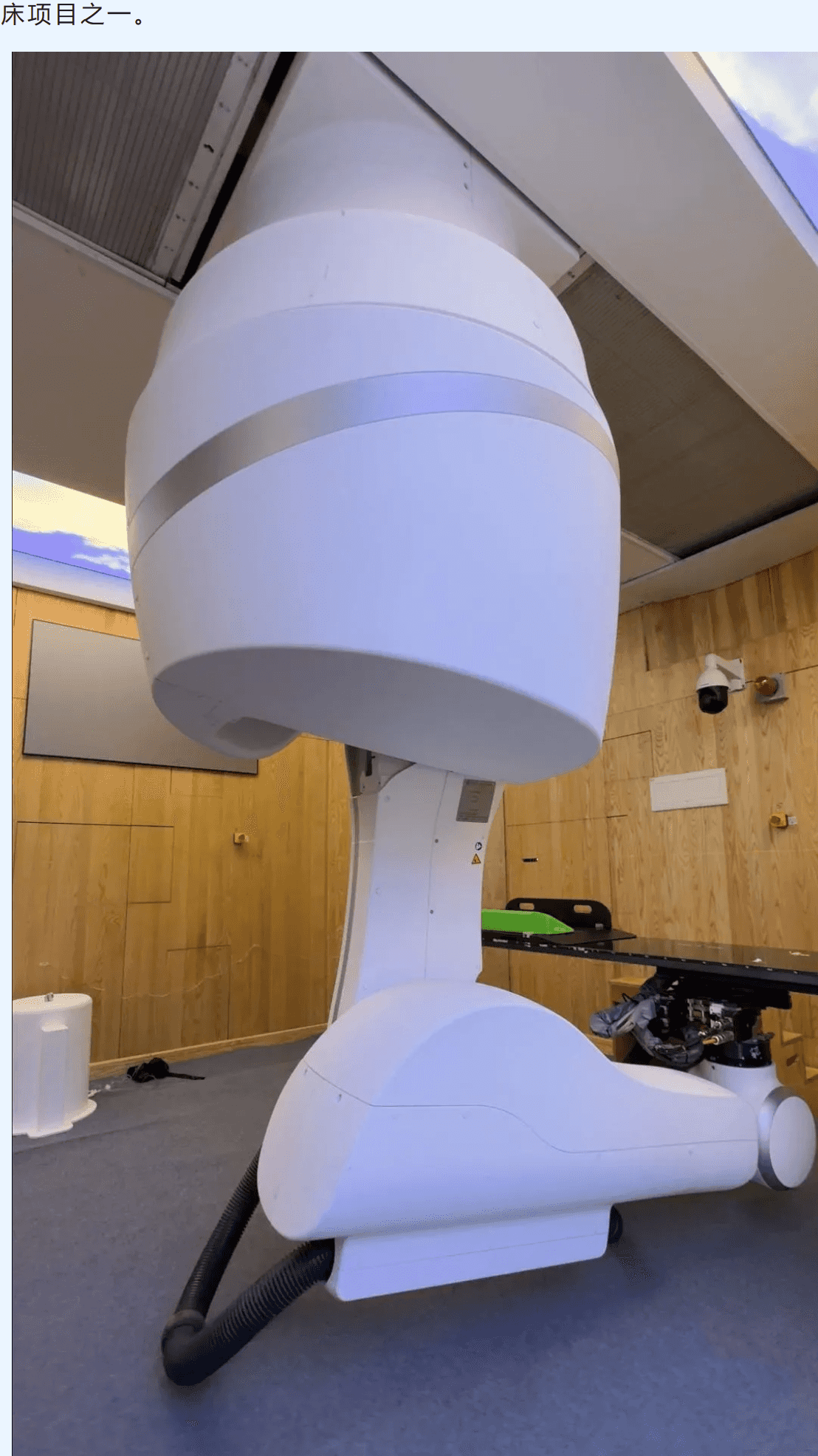
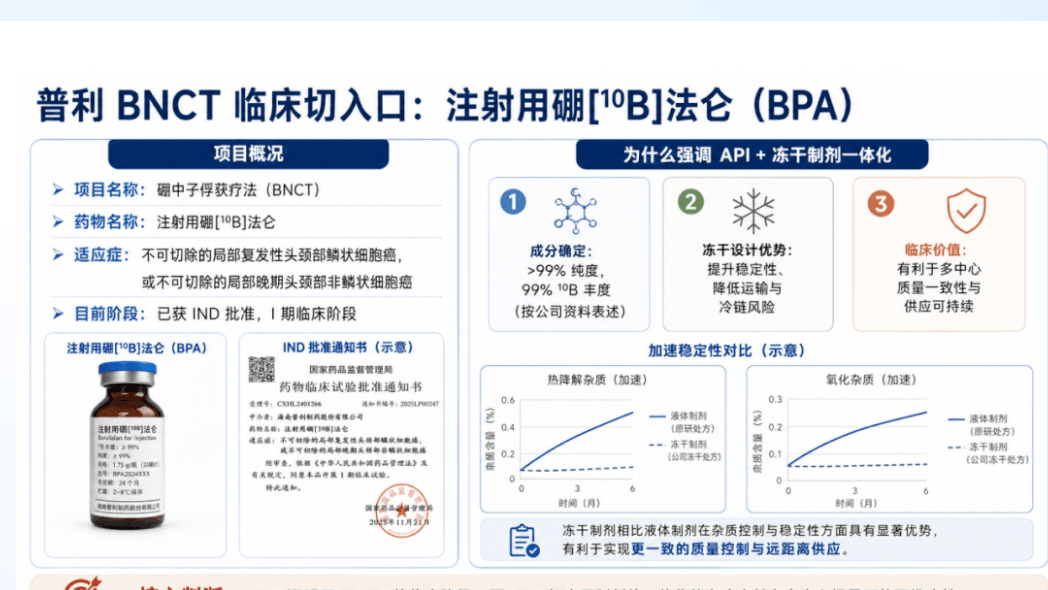
Anhui Puli Pharmaceutical, as the wholly-owned API platform of the Puli Pharmaceutical Group, supplies BPA APIs for the group's independently developed boron [10B] melphalan for injection. The formulation obtained implied clinical trial approval from the National Medical Products Administration in January 2025, with indications for unresectable locally recurrent head and neck squamous cell carcinoma and unresectable locally advanced head and neck non-squamous cell carcinoma. In July 2025, the formulation, in combination with domestic BNCT neutron equipment, launched Phase I clinical trials, and in August completed the enrollment of the first subject, becoming one of the earlier BNCT clinical projects in China to achieve coordinated integration of domestic APIs, domestic equipment, and domestic formulations.
To ensure the safety of clinical medication, Anhui Puli's BPA APIs implement strict internal control standards: boron-10 isotope abundance ≥99%, chemical purity ≥99%, total impurities controlled within 0.1%, and isomers, heavy metals, and residual organic solvents all below the limits specified in the Chinese, U.S., and European pharmacopoeias. This "dual 99" quality control system has become the core quality standard for Anhui Puli's BPA APIs and provides an important reference for quality control of BPA APIs in the industry.
The BNCT industry has a global diagnostic and therapeutic nature, and APIs need to simultaneously meet the regulatory standards of China and multiple overseas countries in order to adapt to domestic and international clinical and commercialization needs. Anhui Puli has established a unified cGMP quality management system covering China's NMPA, the U.S. FDA, the EU EMA, and the WHO.
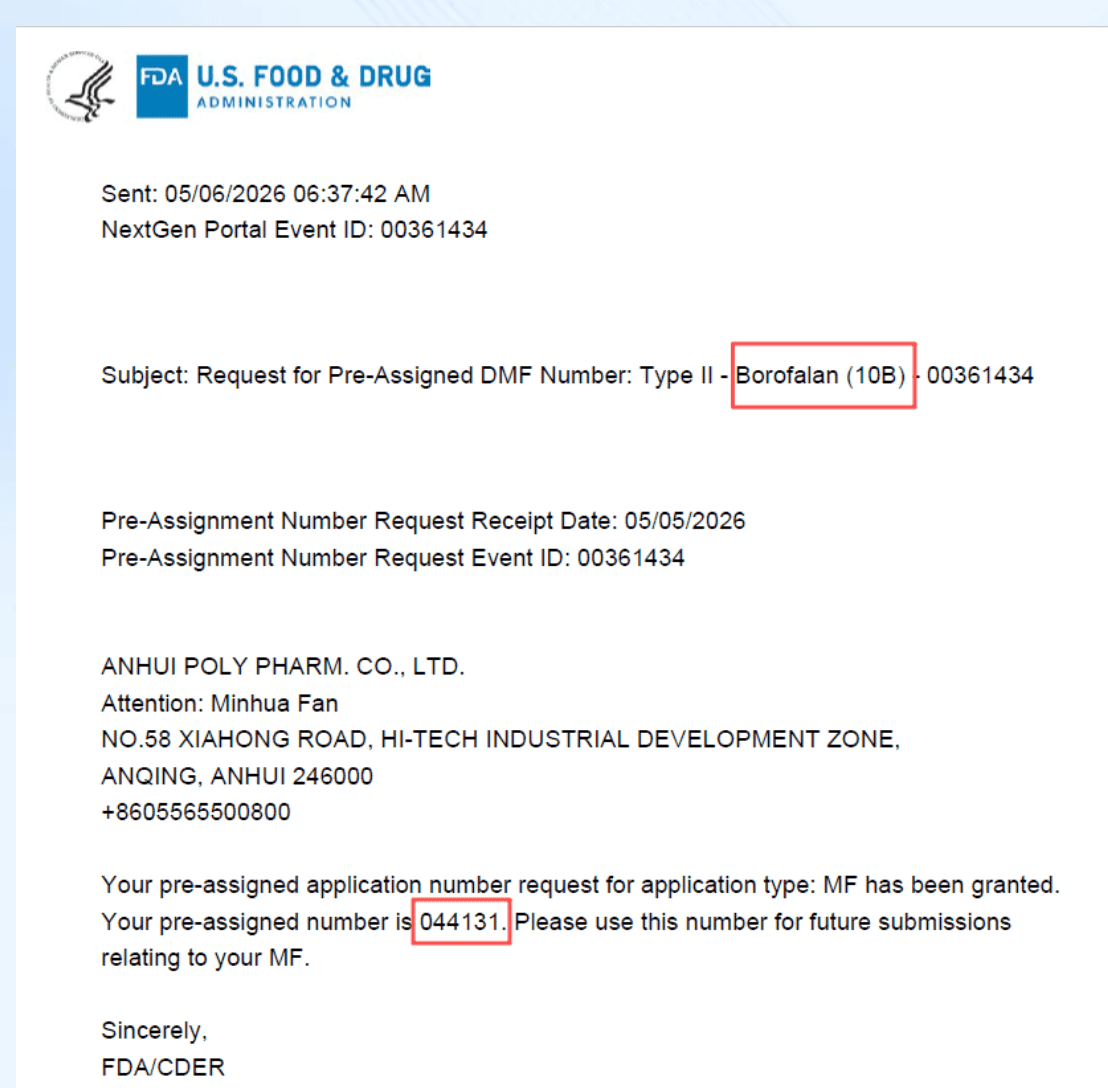
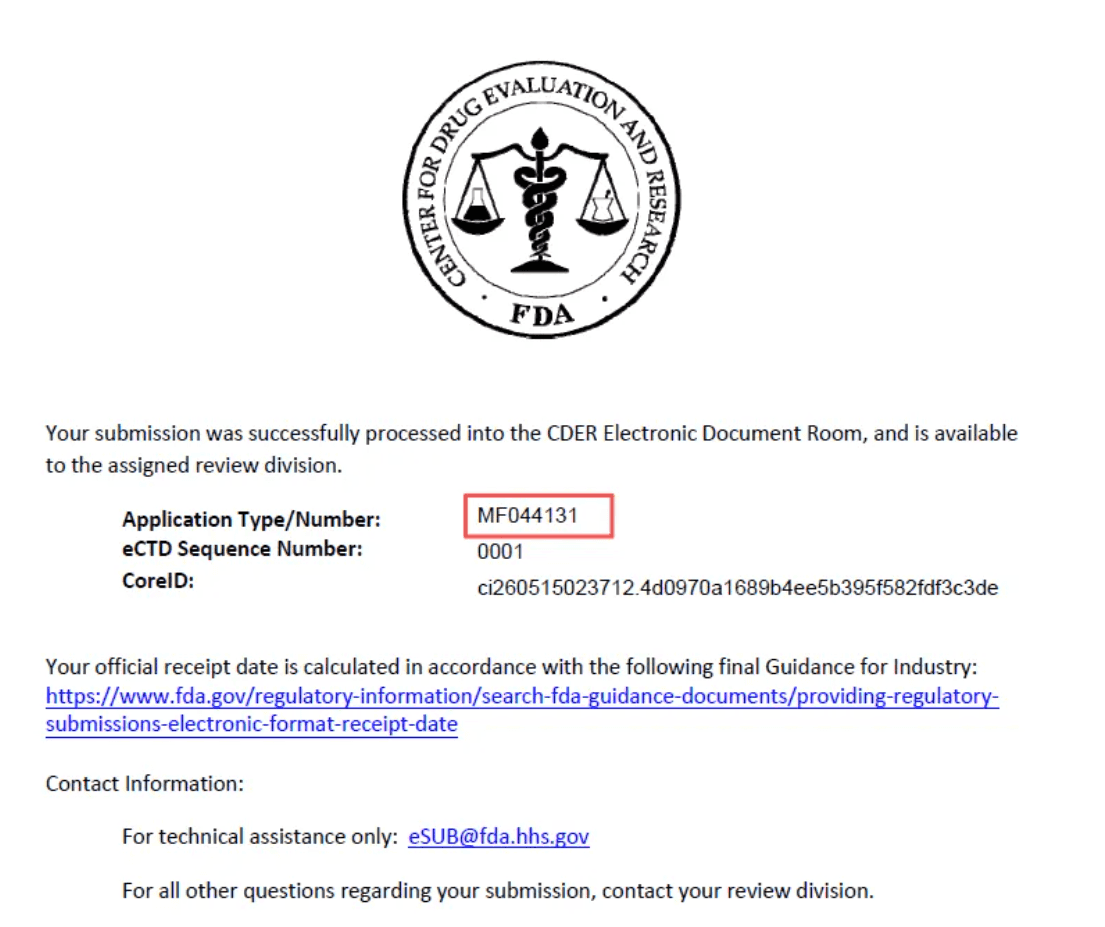
On May 15, 2026, Anhui Puli's boron [10B] melphalan (BPA) API completed the submission of a U.S. FDA Type II DMF, and was assigned DMF number 044131, becoming the first company in China to have an FDA Type II DMF filing for a BPA API. The FDA Type II DMF is one of the important regulatory documents for APIs to enter the U.S. and global regulated markets, and can provide support for formulation companies to reference API technical data when filing applications. After completing the filing, formulation companies in the U.S. and global regulated markets, upon obtaining a letter of authorization, can reference this DMF number for ANDA or NDA filings, avoiding duplicate submission of API technical data. In addition, the FDA DMF system has reference significance in API registration in some emerging regulated markets (such as the Middle East, Southeast Asia, Latin America, and North Africa), and specific applicability shall be subject to local regulatory requirements, which can provide a regulatory module foundation for subsequent market access. Anhui Puli's BPA API has now successfully entered the South Korean market, and will subsequently enter Finland, the United States, and other countries or regions, further expanding its global commercialization footprint.
On the domestic market front, Anhui Puli is simultaneously advancing NMPA API registration work. The API qualification is aligned with the Group's IND clinical approval for boron [10B] melphalan for injection, and can match the filing needs of domestic BNCT formulation R&D companies and clinical institutions, achieving parallel dual-track registration both domestically and internationally.
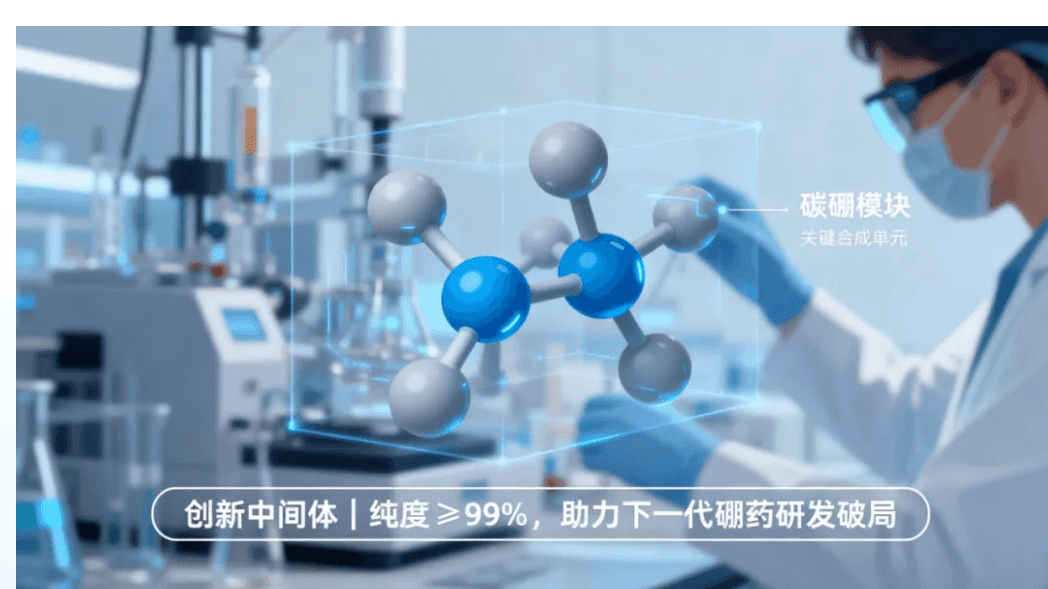
Anhui Poly has established a complete production chain from boron-10 isotope raw materials → key intermediates → boron [10B] melphalan API, with an independent and controllable supply chain. The company currently has 3 API production workshops, 10 production lines, and 357 multi-functional pieces of equipment that comply with GMP standards of the U.S., Europe, and China. It is equipped with dedicated production sections and fully automated control systems suitable for BPA isotope synthesis, enabling stable control of boron-10 abundance, chemical purity, and impurity levels.
Leveraging its flexible production capacity, Anhui Poly can allocate multiple specification batches for pilot-scale, scale-up, clinical, and commercial production on demand, covering the needs of customers across the entire industry chain. At present, the company has launched a construction project with an annual capacity of 500 kg/a of ethiodized oil and 500 kg/a of BPA, further expanding its BPA API production capacity reserves and providing a stable raw material supply for the long-term growth of the BNCT industry.
In addition to its flagship product BPA, the company has completed the process development of BSH and carborane series key intermediates, and can provide pilot-scale and scale-up stage samples to the industry, meeting the cutting-edge R&D needs of innovative boron reagents, targeted boron-conjugated drugs, and others, while continuously improving its full-chain boron raw material support system.

Academician Chen Hesheng pointed out in the program that BNCT equipment is relatively less expensive than traditional radiotherapy and proton or heavy ion therapy, with a simple treatment pathway. Patients typically need only one to two irradiation sessions, making it suitable for promotion to prefecture- and municipal-level hospitals and conducive to achieving the goal of inclusive healthcare. One of the prerequisites for achieving this goal is the domestic production, large-scale manufacturing, and regulatory compliance of upstream APIs.
The BNCT industry is a systematic engineering effort involving the coordinated operation of "neutron source equipment + boron-targeted drugs + precision dosimetry." Anhui Poly continues to play the role of upstream raw material support in the domestic BNCT industry chain: ensuring raw material quality with its "dual 99" quality control standards; opening up domestic and overseas market channels with dual regulatory qualifications of FDA DMF and NMPA; and matching the sustained growth needs of the industry with flexible, large-scale production capacity.
As Phase II clinical trials are about to begin, domestic BNCT is moving one step closer to formal clinical application. Anhui Poly will continue to deepen its R&D and industrialization of BNCT boron drug raw materials, supplying high-purity, stable, and compliant boron drug APIs and intermediates to the global market, and working together with domestic equipment companies, pharmaceutical companies, and clinical medical institutions to jointly advance the construction of the domestic BNCT industry chain.
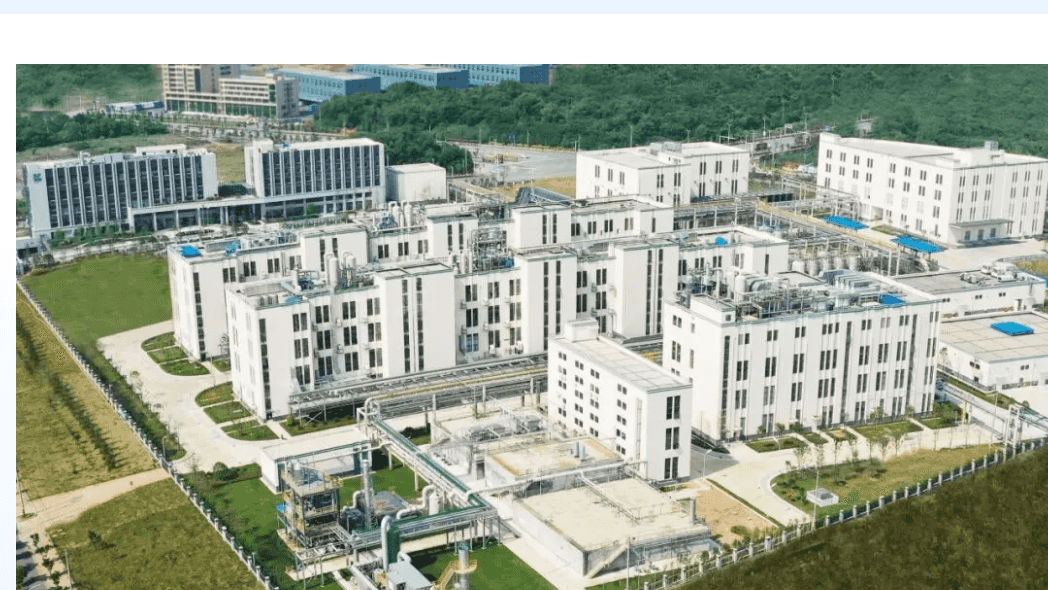
Anhui Poly Pharmaceutical Co., Ltd. was established in 2018 and is located in the Anqing National High-tech Industrial Development Zone. It is a professional supplier of active pharmaceutical ingredients under the Puli Pharmaceutical Group. The company has 3 API production workshops, 10 production lines, and 357 multi-functional pieces of equipment that comply with GMP standards of the U.S., Europe, and China. Its product pipeline covers contrast agents, synthetic biology, anti-tumor drugs, pharmaceutical excipients, and other fields. It has achieved domestic substitution and global exports for multiple products, and is a key raw material supplier with full-chain supply capabilities in the field of BNCT boron drugs.
Inquiries and cooperation are welcome!
Business contact: lisubin@hnpoly.com
This article is intended solely for pharmaceutical science popularization and corporate information introduction. Its content integrates publicly disclosed materials and summaries of the company's R&D progress, and is for reference only. Statements related to drugs and projects in this article do not constitute medical diagnosis or treatment advice, investment advice, or commitments to future results; cooperation arrangements such as contract manufacturing and API supply require the completion of quality system establishment and compliant registration, and shall ultimately be subject to regulatory authority approval. The data and views contained in this article are based on public information as of the date of publication, and the company assumes no obligation to continuously update them.
Forward-looking statements involving registration filings, market planning, business development, and others in this article are all made based on existing information and reasonable assumptions and are subject to uncertainty; affected by various risk factors such as market conditions and industry policies, actual circumstances may differ significantly from expectations. The company has no obligation to revise relevant content due to subsequent changes. Readers are kindly requested to fully understand the risks and make prudent judgments.